
ISI Marked
↓ PDF
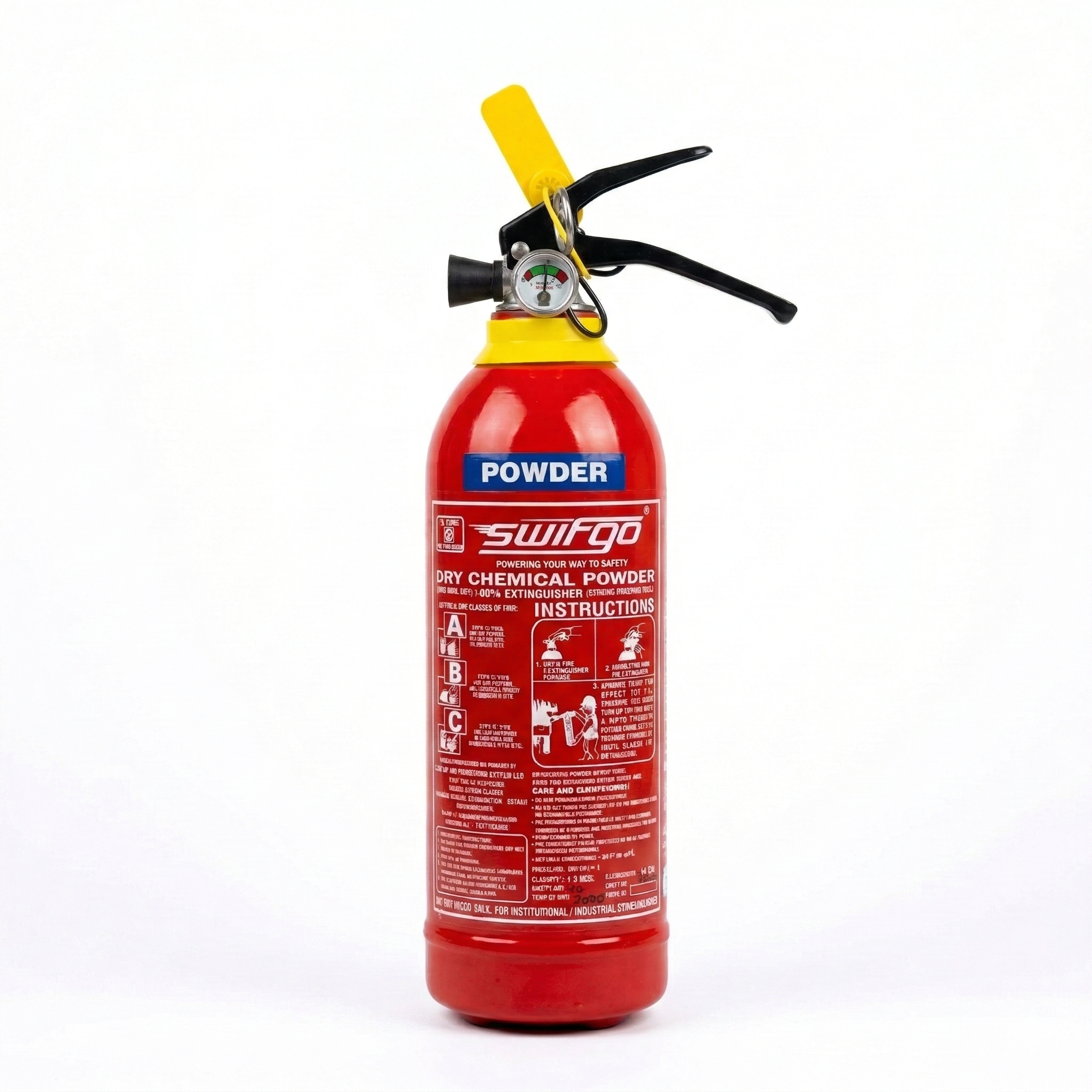
Not sure which fire extinguisher you need? Pick your situation below and we'll show you exactly what to get, and why.
House fires most commonly start in the kitchen or electrical fittings. A compact ABC extinguisher handles cooking oil, electrical and solid material fires, covering most home fire scenarios. Easy to store, easy to use.
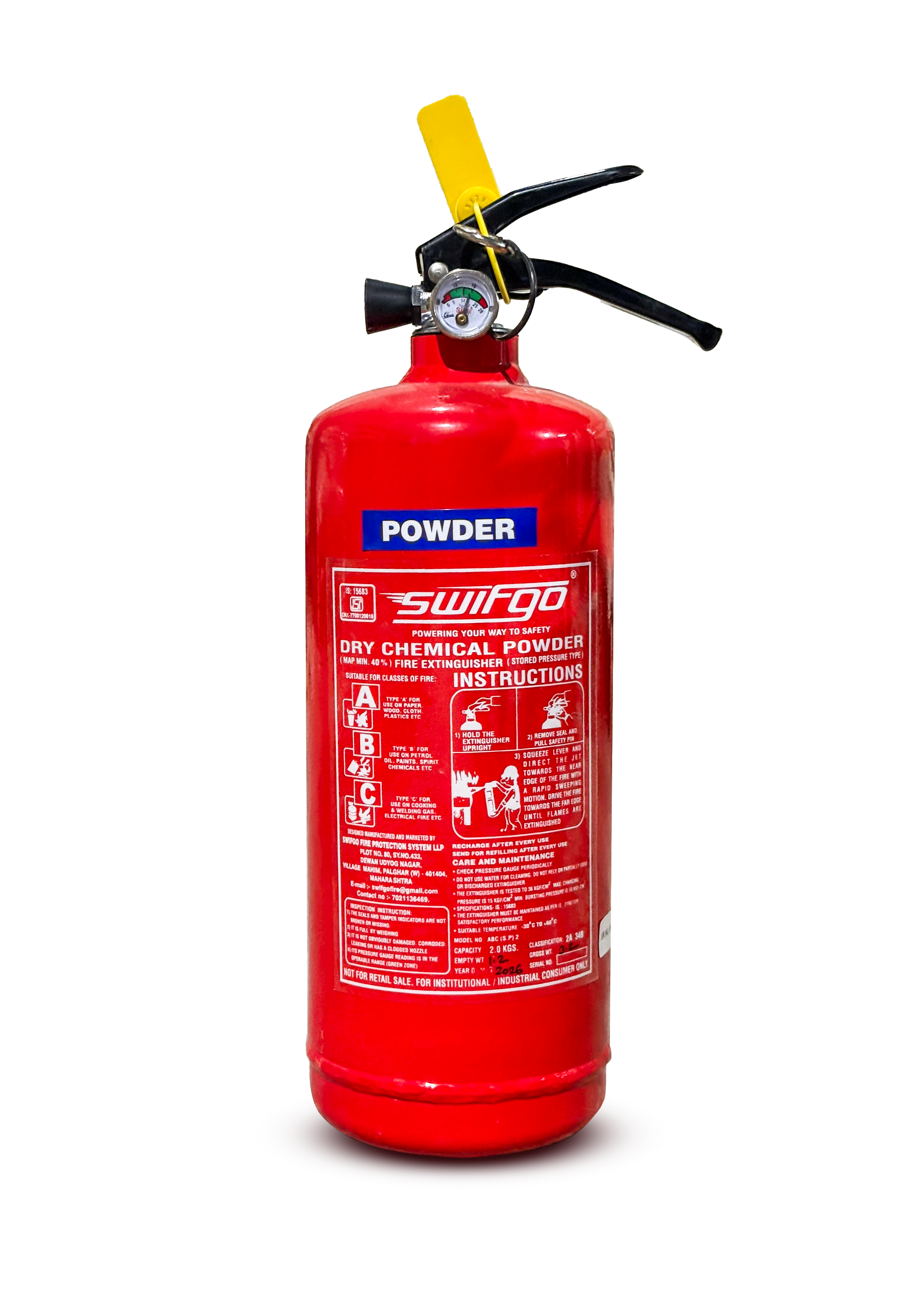
Vehicle fires are more common than most people think, caused by engine overheating, fuel leaks and electrical shorts. A compact extinguisher in the boot or under the seat can make the difference in the first minute.
Offices carry a high electrical load from servers, UPS systems, ACs and wiring, alongside paper and furniture. A combination of ABC and CO2 extinguishers covers all fire classes typically found in an office.
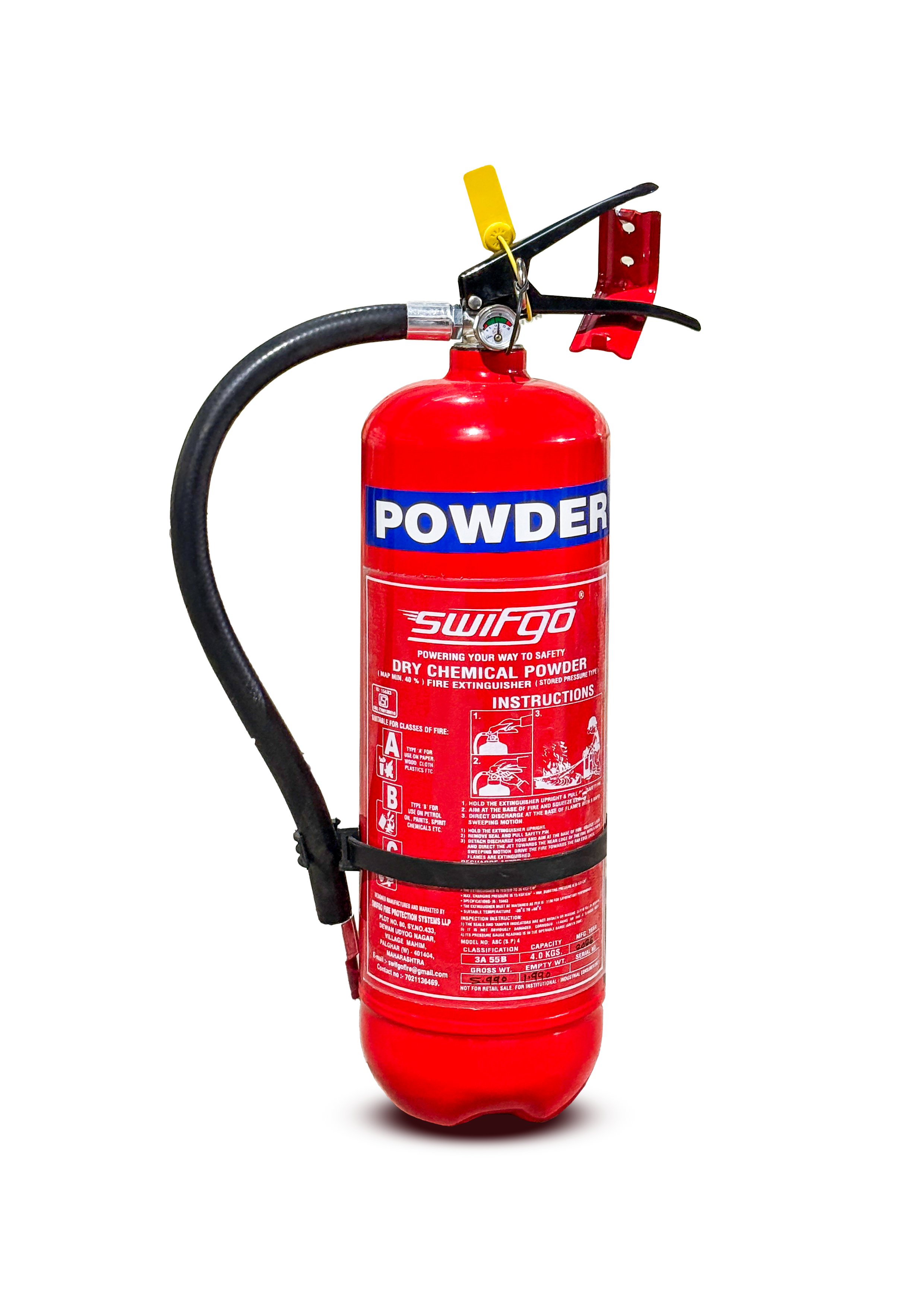
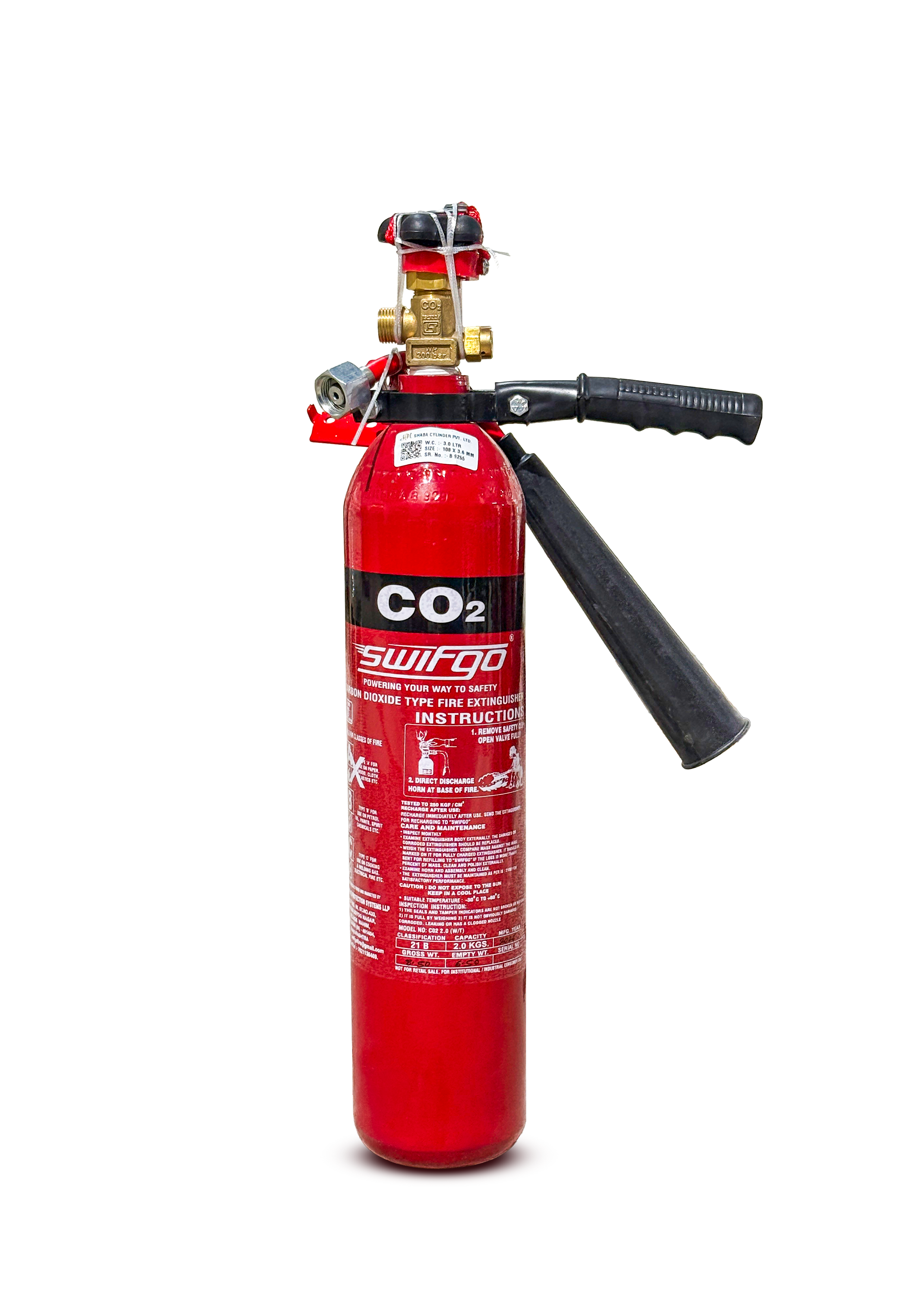
Cooking oil fires cannot be safely fought with standard ABC powder. Using the wrong extinguisher on a cooking oil fire can cause a dangerous flashback. A foam or kitchen-rated extinguisher is the safer choice for this environment.
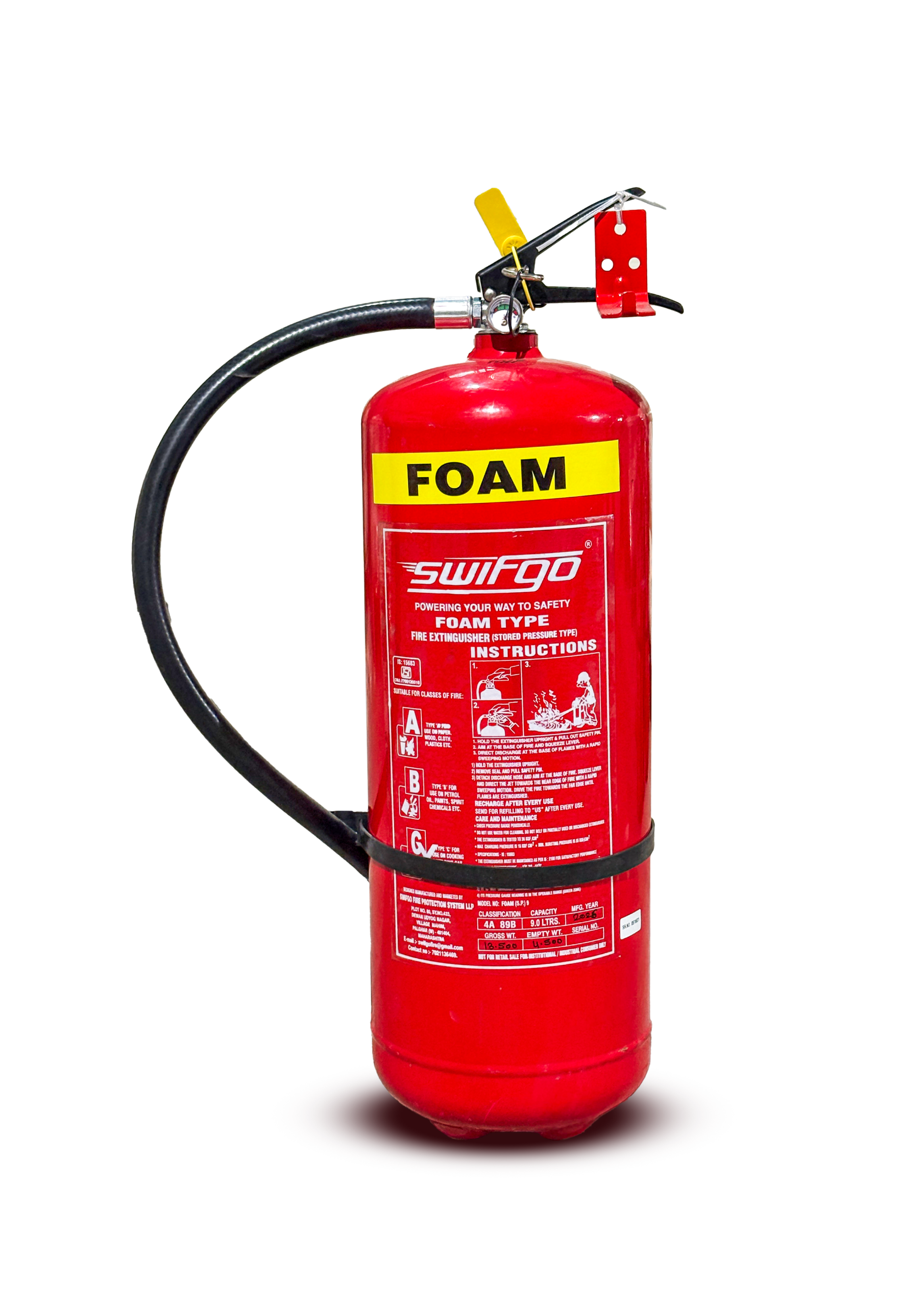
ABC powder extinguishers will damage servers, switches and storage even while saving the room from fire. Server rooms need clean agent or CO2 extinguishers, which put out the fire and leave zero residue on equipment.
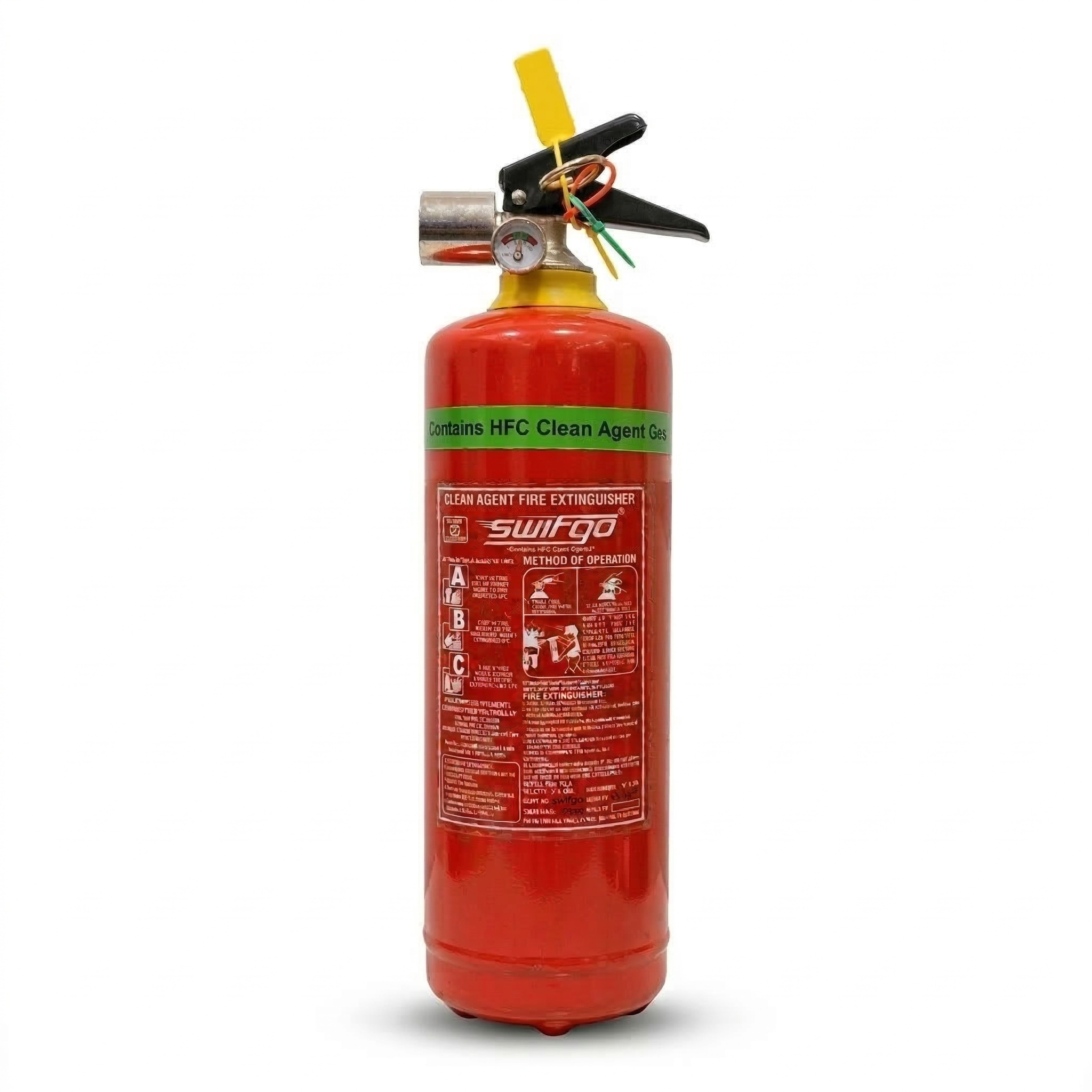
Factories and warehouses have large open floor areas, high fire loads and specific hazard zones such as chemical storage and electrical panels. IS 2190 sets a minimum number of extinguishers per floor area.
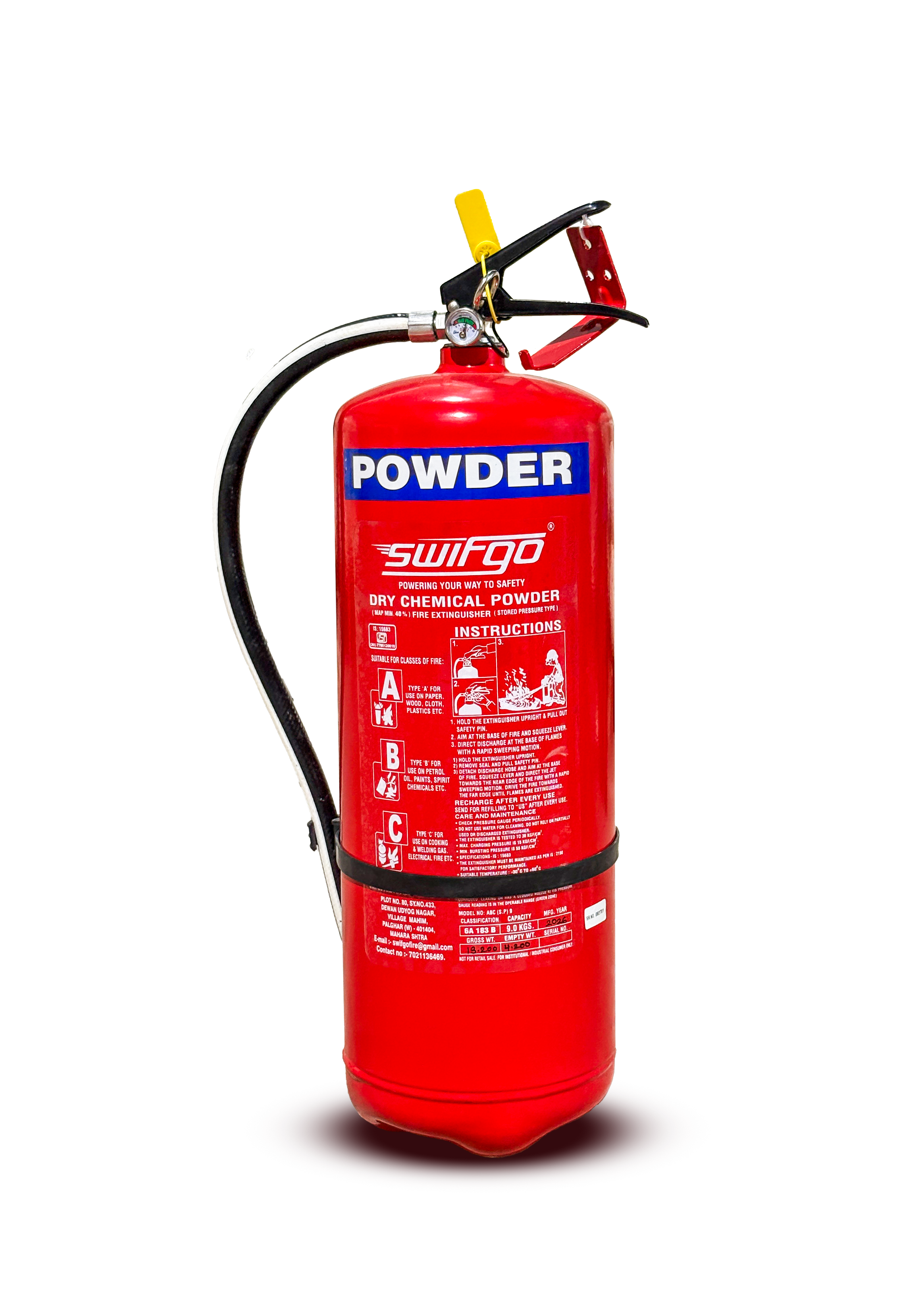
Residential societies are legally required to maintain fire extinguishers in common areas, stairwells, parking and near electrical rooms. Most societies order in bulk annually, and Swifgo provides GST invoices and compliance documentation for society records.
Educational institutions must maintain fire safety equipment across classrooms, laboratories, auditoriums, hostels and kitchens. Different areas need different extinguisher types, and Swifgo helps institutions meet compliance with proper documentation.
Tell us your situation and we'll recommend the right extinguisher. Free. No obligation.